DIY Beard Trimming: A Guide for Home Grooming
Mastering the art of beard trimming at home can be a game-changer for your grooming routine. At Barber Craft, we understand the importance of maintaining a well-groomed beard between professional trims.
This guide will walk you through the essential steps on how to trim your beard at home, ensuring you achieve a polished look without stepping foot in a barbershop. Get ready to elevate your DIY grooming skills and keep your beard looking sharp every day.
Essential Tools for DIY Beard Trimming
The Core Equipment
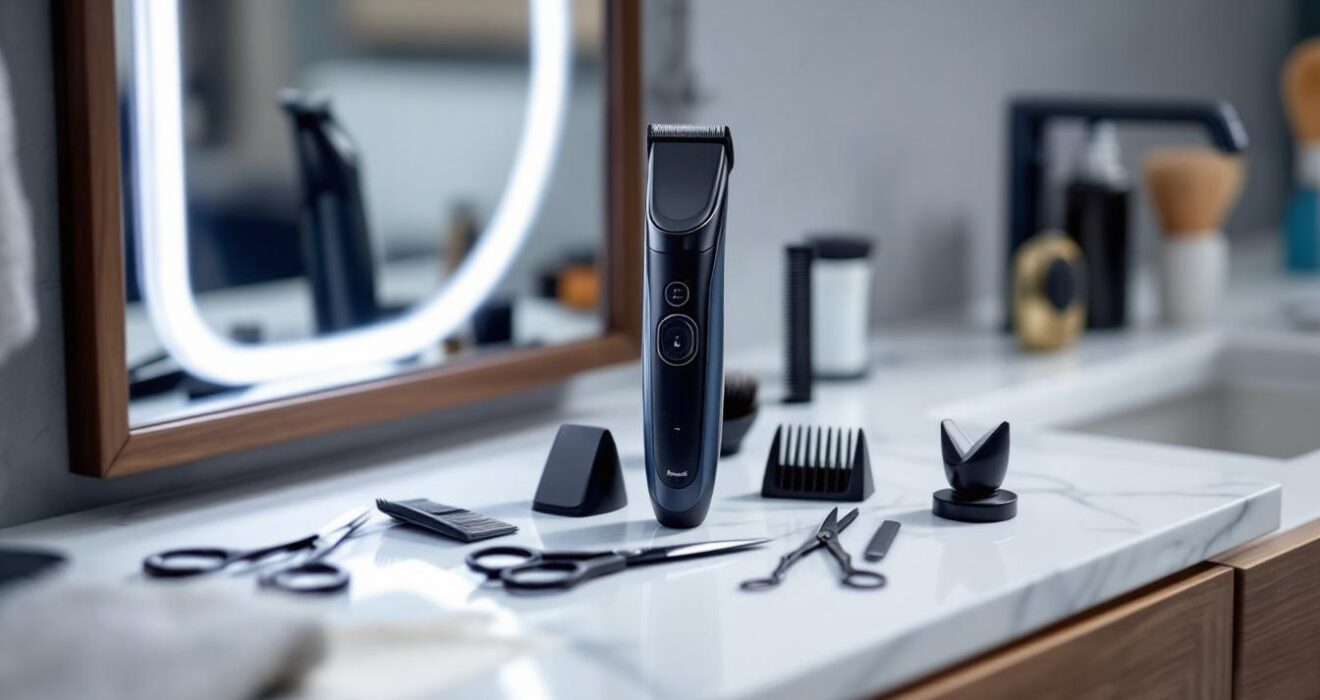
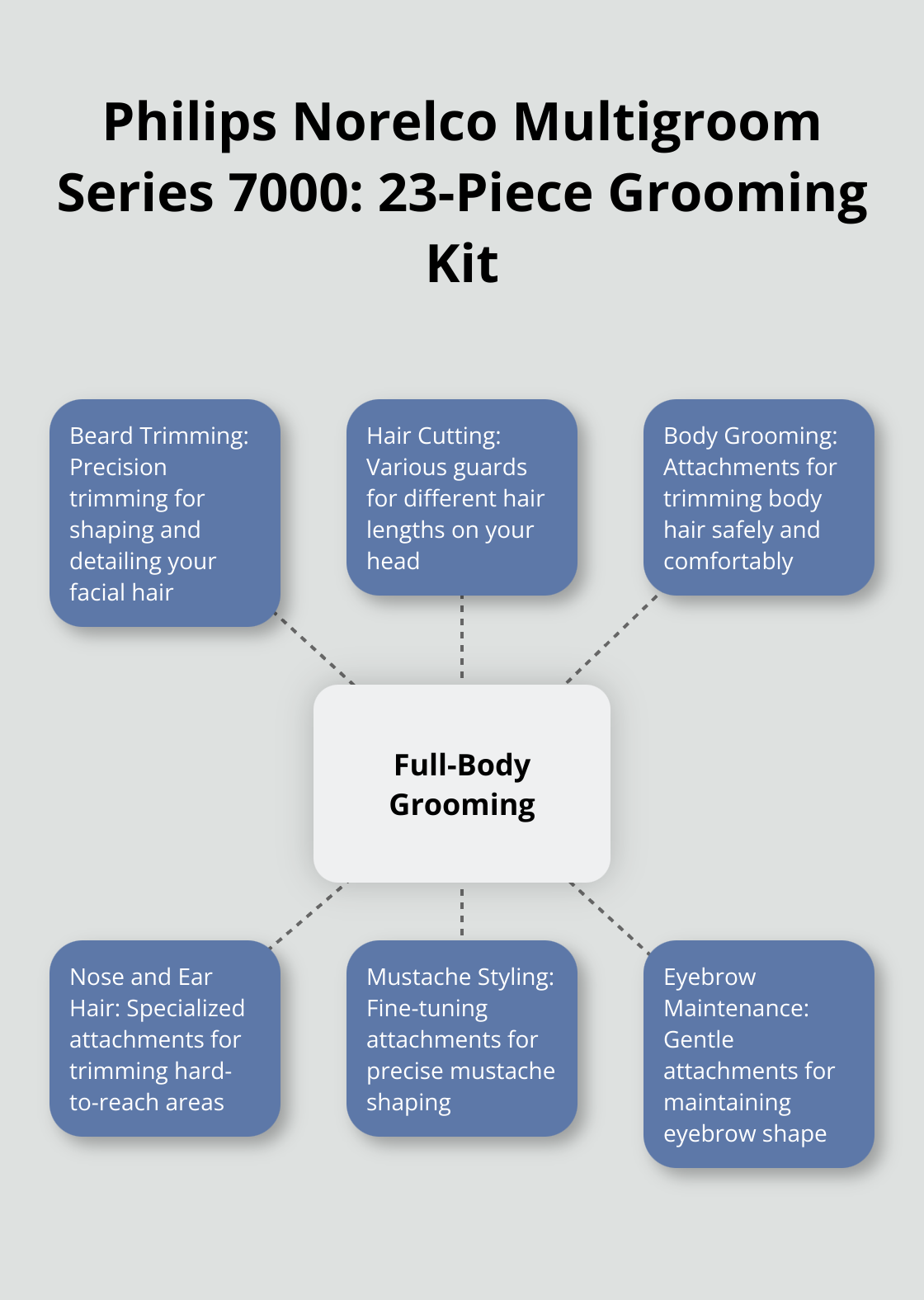
A high-quality beard trimmer stands as your most vital tool for at-home grooming. Select a trimmer with multiple guard lengths and a robust motor. The Philips Norelco Multigroom Series 7000 (offering 23 pieces for full-body grooming) ranks as a top choice among beard enthusiasts.
Precision Instruments
For intricate detailing, sharp scissors are indispensable. Tweezerman G.E.A.R. Beard Shaping Scissors, designed specifically for facial hair, allow for precise cuts around the mustache and cheek areas.
A sturdy beard comb helps detangle and guide your trim. The Kent 81T Handmade Beard Comb, with its smooth edges, prevents snagging. Pair this with a boar bristle brush to distribute natural oils through the length of the hair, preventing your roots from being weighed down with oil.
Beard Care Products
Beard oil and balm play a key role in maintaining a healthy, manageable beard. Apply oil immediately after trimming to soothe the skin and soften the hair. Honest Amish Classic Beard Oil (made with all-natural ingredients) is a popular option.
For styling and hold, use a beard balm like Smooth Viking Beard Balm. It tames flyaways and gives your beard a polished appearance.
Setting Up Your Grooming Station
Create a dedicated space with ample lighting and a large mirror. The Fancii 10X Magnifying Lighted Makeup Mirror helps spot even the smallest stray hairs. Keep clean towels nearby to catch trimmings and wipe down your tools afterward.
While these tools excel for home maintenance, professional barber expertise remains unmatched. Regular visits to a skilled barber (such as those at Barber Craft) can help establish the perfect shape and teach you maintenance techniques between appointments.
As you gather your tools and set up your grooming station, you’ll be ready to embark on your DIY beard trimming journey. The next section will guide you through the step-by-step process of achieving a well-groomed beard at home.
How to Trim Your Beard Like a Pro
Trimming your beard at home can transform your grooming routine. We’ve compiled top tips to help you achieve salon-quality results.
Preparation is Key
Start with a clean beard. Use a specialized beard shampoo to remove dirt and oil, making your beard easier to trim. Pat it dry with a clean towel, leaving it slightly damp for easier styling.
Use a wide-toothed comb to detangle your beard. This step helps identify uneven areas and ensures a uniform trim. For longer beards, a boar bristle brush can distribute natural oils and smooth the hair.
Defining Your Beard Shape
Visualize your desired beard shape before you start trimming. Consider your face shape when deciding on a style. (Men with round faces often benefit from a longer, more angular beard to add definition.)
Neckline and Cheek Line
Use your trimmer to define your neckline. Imagine a U-shape from ear to ear, with the bottom of the U sitting just above your Adam’s apple. This creates a clean, professional look without appearing over-groomed.
For your cheek line, start at the sideburns and follow your natural growth pattern down towards your mustache. Avoid cutting too high, as this can make your beard appear unnaturally thin.
Trimming Techniques
When trimming the bulk of your beard, start with a longer guard setting than you think you need. You can always go shorter, but you can’t undo an overly aggressive trim. Work in small sections, move the trimmer against the grain of hair growth for a more even cut.
For precision work around your mustache and mouth area, switch to scissors. Comb the hair downward and carefully trim any hairs that extend past your lip line. This meticulous approach ensures a neat appearance without sacrificing fullness.
Finishing Touches
After trimming, apply a few drops of beard oil to soothe your skin and soften your beard. Massage it in thoroughly, pay special attention to the skin underneath. Follow up with a small amount of beard balm to style and hold your newly trimmed beard in place.
Perfecting your beard trim takes practice. (If you’re unsure about any step, consider visiting a professional barber for guidance.) They can offer personalized advice for your beard type and face shape, setting you up for success in your future DIY trims.

Now that you’ve mastered the basics of beard trimming, let’s explore common mistakes to avoid in your grooming routine.
Beard Trimming Pitfalls to Sidestep
The Wet Beard Blunder
Trimming a wet beard often leads to disaster. Wet hair appears longer, which causes over-trimming. Dry your beard completely before cutting. (Use a blow dryer on low heat if you’re short on time, but patience yields the best results.)
Guard Length Misjudgments
Starting with too short a guard is a common error. Begin with a longer setting than you think you need. You can always go shorter, but you can’t undo an overly aggressive trim. (If you’re aiming for a 10mm length, start with a 12mm guard and work your way down.)
Neckline Neglect
A poorly defined neckline ruins an otherwise perfect beard. Many men trim too high, creating an unnatural look. Find your neckline by tilting your head back and placing two fingers above your Adam’s apple. The top finger indicates where your neckline should be. Trim everything below this point.
Cheek Line Overreach
A crisp cheek line looks sharp, but over-trimming thins out your beard unnecessarily. Follow your natural growth pattern and only remove obvious strays. If you’re unsure, leave it slightly higher. You can adjust it later.
Blending Oversights
Failure to blend different lengths creates an unnatural, choppy appearance. Use guards of varying lengths to create a smooth transition between your sideburns, cheeks, and chin. Crafting a beard fade on your own can be challenging, but following simple steps can make it easier. This technique requires practice but dramatically improves your overall look.
Maintenance Gaps
Many men trim their beards and then ignore them until the next cut. Regular maintenance between trims is essential. Start by washing your face, then dry and detangle your facial hair. Establish the neckline, choose your beard length, and trim the sides. Use a boar bristle brush daily to distribute oils and keep your beard neat. Apply beard oil to keep the hair and skin underneath healthy. These small steps make a big difference in your beard’s appearance and health.

Final Thoughts
Learning how to trim your beard at home will save you time and money while keeping you looking sharp. Practice and patience are key to mastering this valuable skill. You’ll soon understand your facial hair growth patterns and discover the techniques that work best for your unique beard.
Professional barbers offer expertise that complements your home maintenance routine. Regular visits to Barber Craft can help you maintain the perfect shape and learn new techniques. Our skilled barbers can provide personalized advice tailored to your hair type and desired style.
Consistency in your grooming routine is essential for a well-maintained beard. The right tools, techniques, and practice will help you trim your beard like a pro at home. (Try to combine your DIY skills with occasional professional trims to keep your beard looking its best year-round.)

